Wet Season in Cairns: Is January a Good Time to Visit?
The wet season in Cairns has a reputation for heavy rain, tropical storms and steamy humidity, but my experience visiting Cairns in January was far more enjoyable than I expected.
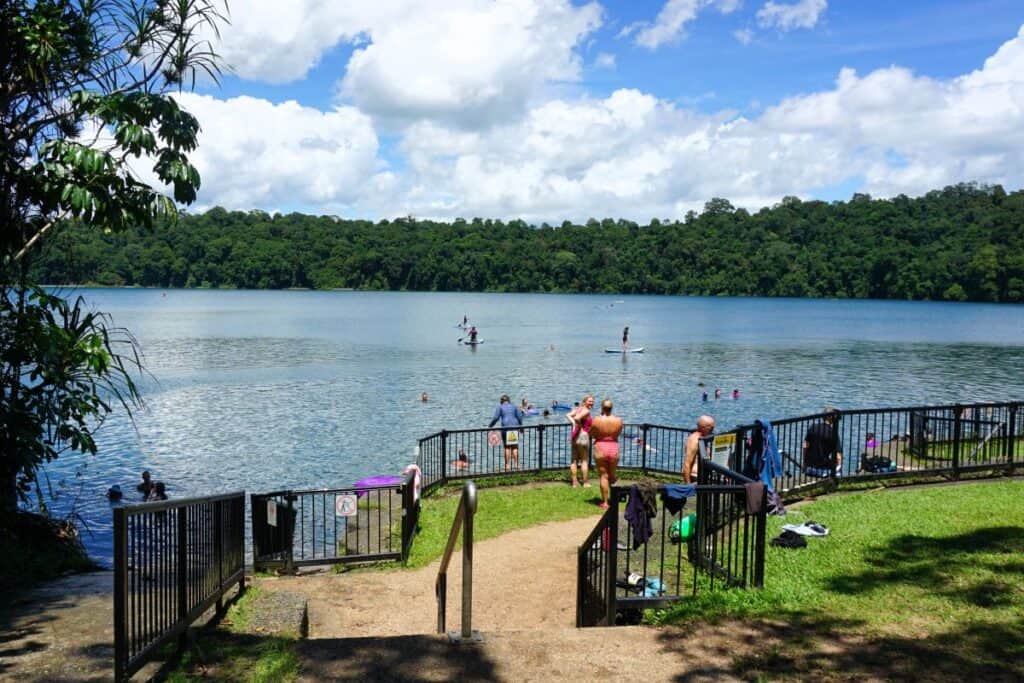
I snorkelled on the Great Barrier Reef, explored the Atherton Tablelands, saw Millaa Millaa Falls flowing strongly after recent rain and swam in the beautiful waters of Lake Eacham. While I experienced a few tropical downpours, I also saw fewer tourists, lower accommodation prices and lush rainforest scenery at its best.
In this guide, I’ll share my firsthand experience of visiting Cairns during the wet season, including what the weather was really like, the pros and cons, and the best things to do at this time of year.
This page contains affiliate links and I may make a small commission on sales from purchases made through those links. This does not cost you any extra! I appreciate your support!
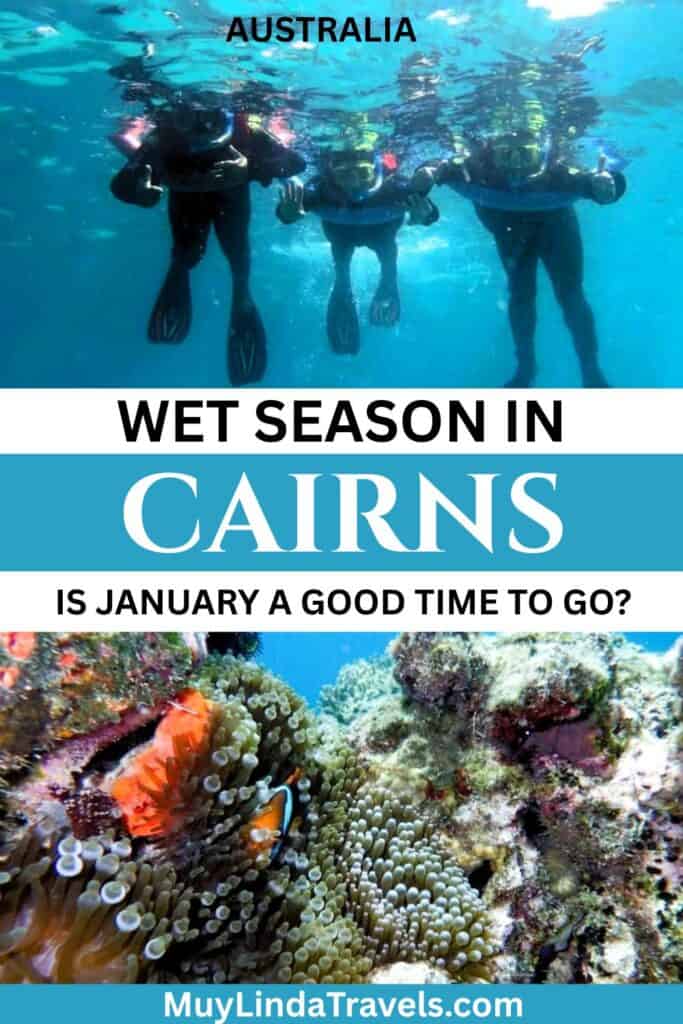
What Is the Wet Season in Cairns like?
The wet season in Cairns runs from November to March and is characterised by tropical heat, high humidity, and regular rainfall. Also known as the Cairns rainy season, this time of year transforms Tropical North Queensland into a lush green paradise, with waterfalls flowing at their most spectacular and rainforests bursting with life.
The wettest months are typically January and February, making January in Cairns one of the rainiest times of the year. If you’re wondering what Cairns in January is like, expect a mix of sunshine, tropical downpours, dramatic afternoon thunderstorms, and warm temperatures averaging between 22°C and 30°C.
Despite its reputation, the rainy season in Cairns does not usually mean constant rain. Showers often arrive as intense but relatively short-lived storms, particularly in the afternoon or evening, leaving plenty of time for sightseeing, rainforest adventures, and relaxing by the pool.
The wet season in Cairns also coincides with the tropical cyclone season. While direct cyclone impacts are relatively uncommon, severe weather systems can occasionally bring prolonged periods of heavy rain, strong winds, flooding, and sometimes travel disruptions.
For many travellers, however, the Cairns rainy season is one of the most beautiful times to visit. Waterfalls are at their fullest, the rainforest is incredibly vibrant, accommodation prices are often lower, and popular attractions are generally less crowded than during the dry season.
My Experience Visiting Cairns in the Wet Season
I visited Cairns in January, right in the middle of the wet season, and while I was prepared for constant rain, the reality was quite different.
Yes, it was hot and humid, but I still experienced plenty of sunshine between tropical showers. The humidity was certainly noticeable and gave the weather a more oppressive feel than I’m used to. Having said that, much of Australia can be extremely hot in January, with temperatures regularly exceeding 30°C.
What makes Cairns feel different is that the heat is consistent. It doesn’t let up and the tropical humidity makes it feel hotter than the thermometer suggests.
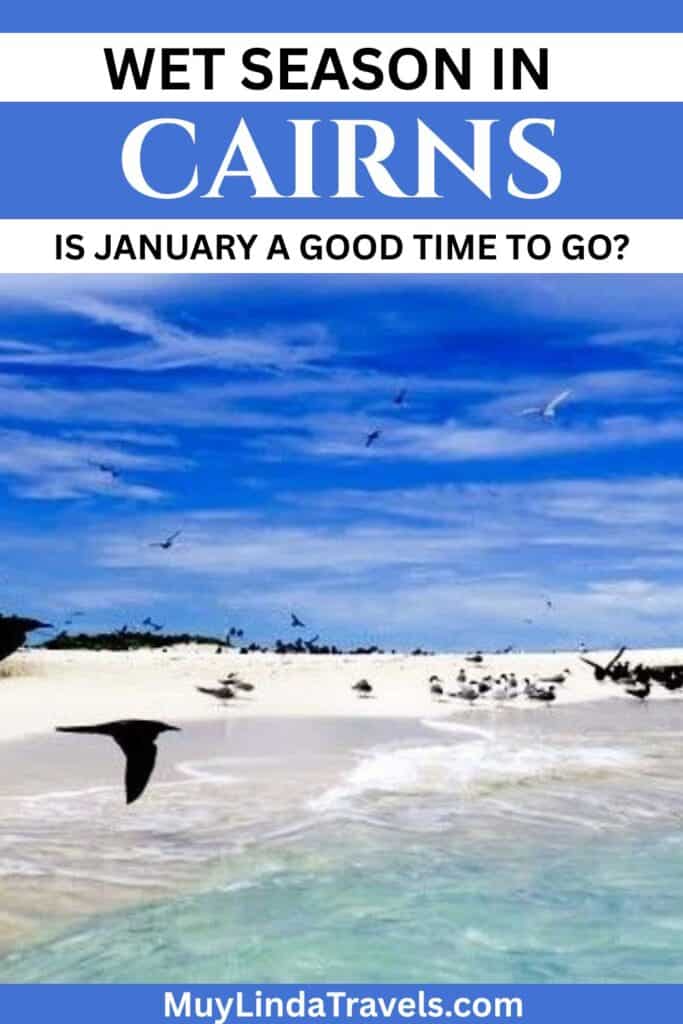
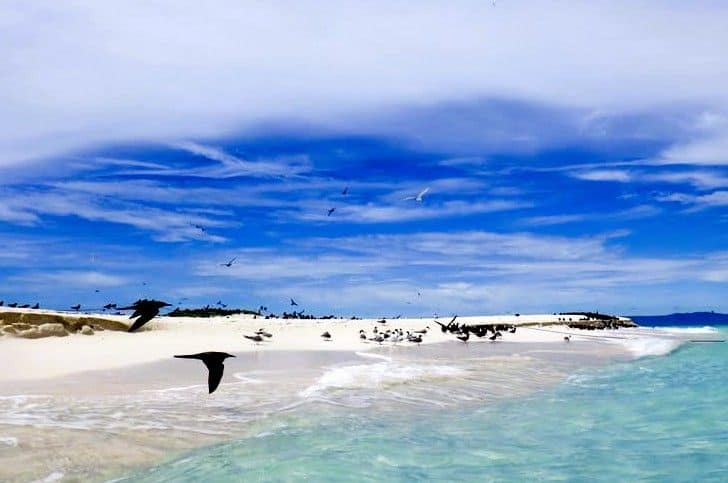
One of the biggest surprises was how quiet many attractions were. During a reef trip to Michaelmas Cay and Hastings Reef, there were noticeably fewer tourist boats than you would expect during the peak dry season.
At some of our snorkelling sites, there were no other boats nearby, making the experience feel far more remote and special. Because it was stinger season, we wore stinger suits while swimming and snorkelling.
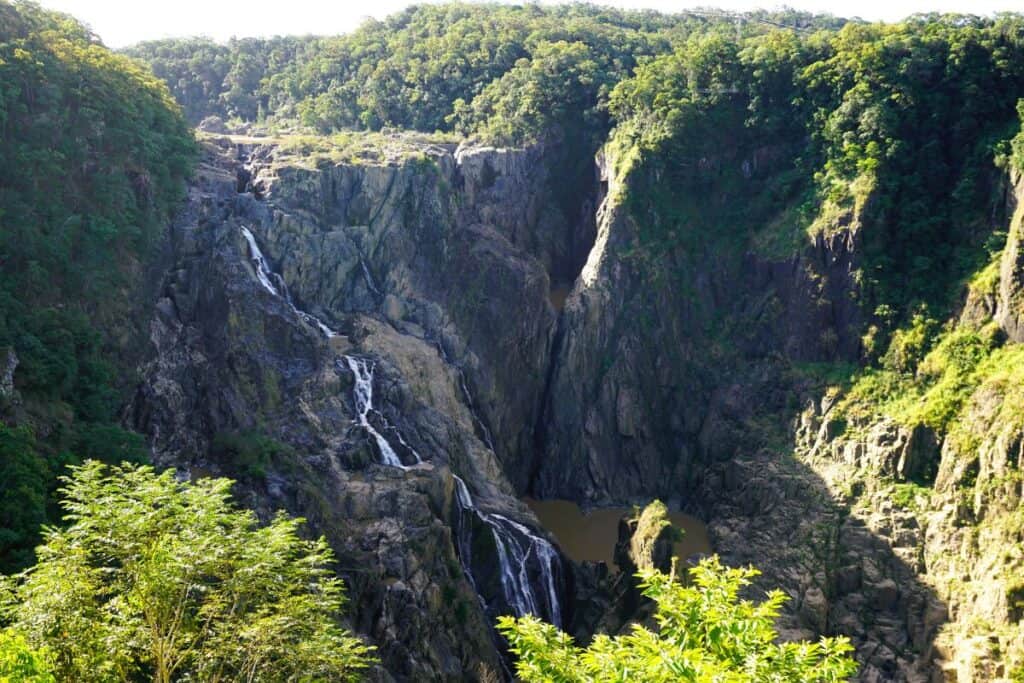
The waterfalls were another highlight of visiting Cairns during the rainy season. Barron Falls is absolutely spectacular, with huge volumes of water thundering over the cliffs. If you’re considering a trip to Kuranda from Cairns, the wet season is one of the best times to see the falls at their most impressive.
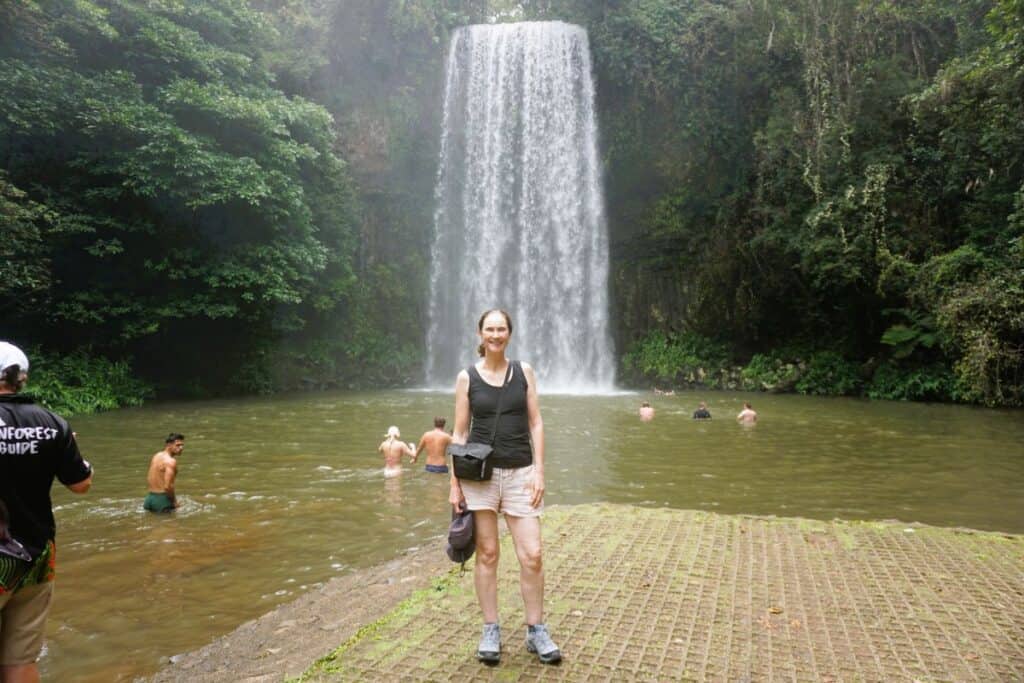
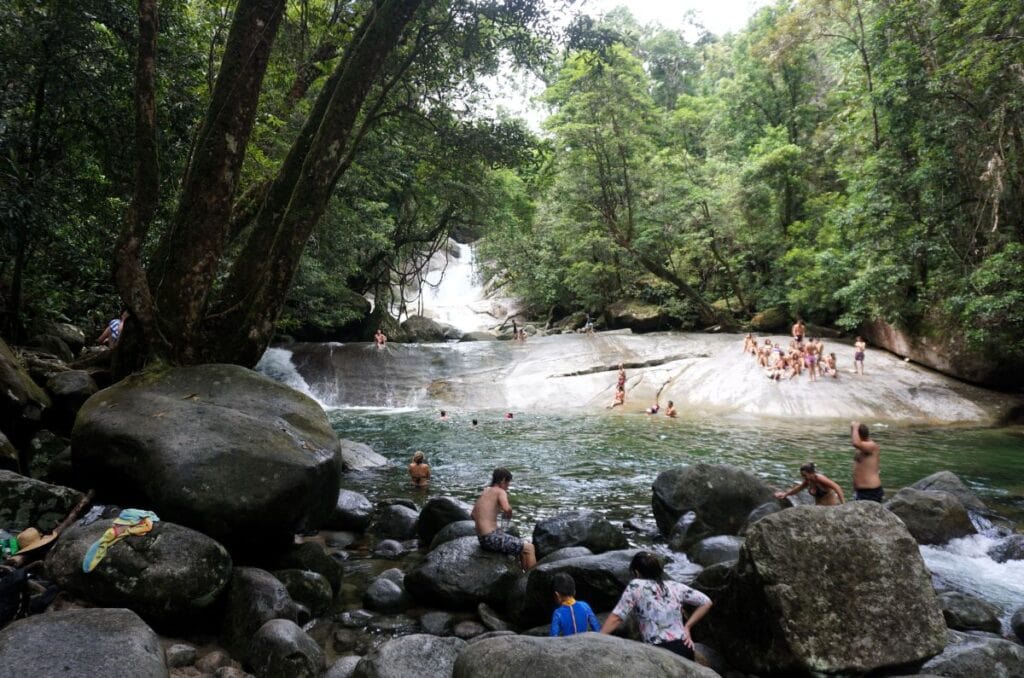
I also spent time exploring the Atherton Tablelands, where waterfalls such as Millaa Millaa Falls, Josephine Falls and the Babinda Boulders were flowing strongly after recent rain.
The scenery was beautiful and swimming in the clear freshwater was delightful, but it’s important to take care around natural swimming areas during the Cairns wet season. Fast-moving water, strong currents and slippery rocks can make swimming dangerous, particularly after heavy rainfall or when water levels are high.
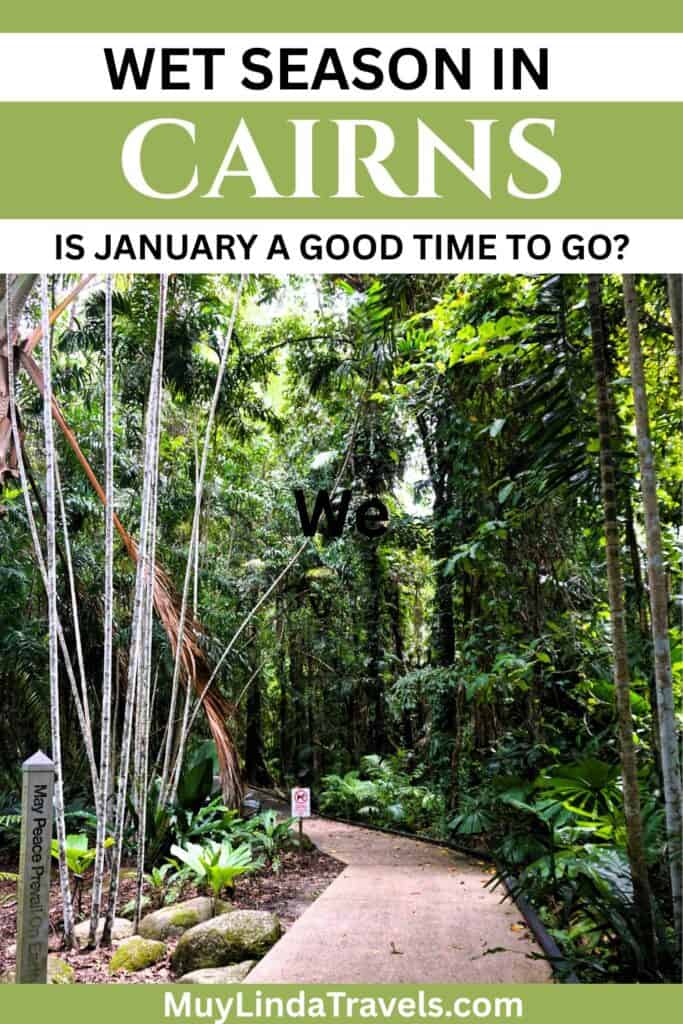
One thing that struck me was just how green everything looked. The rainforests around Cairns are lush year-round, but the Botanical Gardens were especially green and tropical during the Cairns wet season.
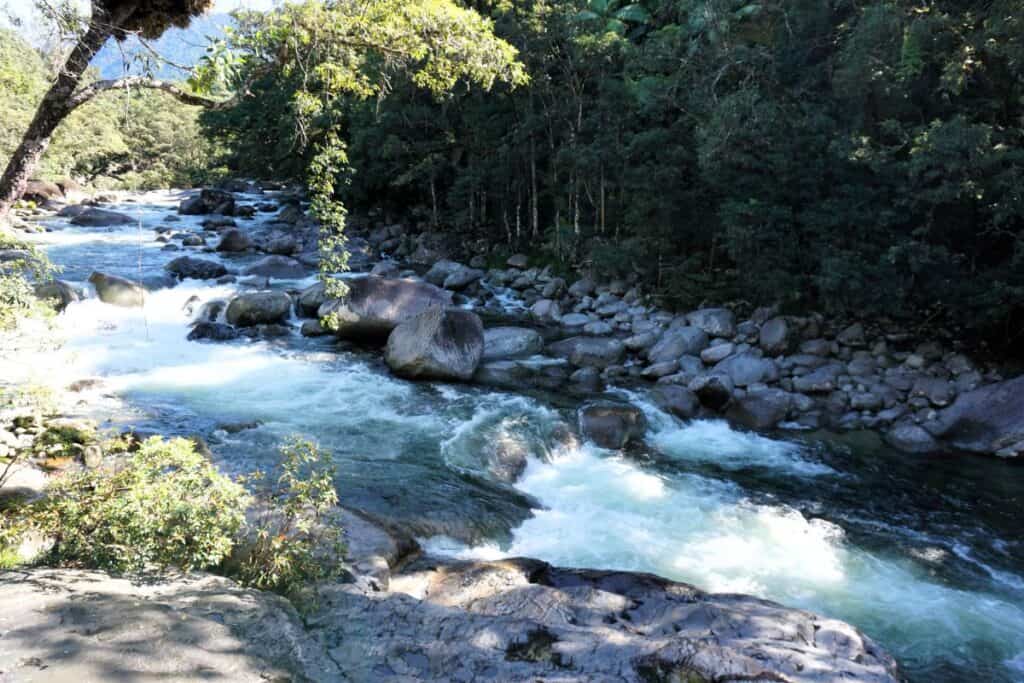
Walking beneath the trees at Mossman Gorge felt cool and refreshing despite the tropical heat, while swimming spots such as Lake Eacham were wonderful places to escape the humidity.
For me, Cairns in January was a chance to experience Tropical North Queensland at its most vibrant, with powerful waterfalls, lush rainforest scenery, quieter attractions and a more authentic tropical atmosphere. An occasional afternoon storm hardly made any difference to my plans.
Cons of Visiting Cairns in the Wet Season
1. High Humidity
The biggest challenge of visiting Cairns during the wet season is the humidity.
While temperatures generally sit around 30°C (86°F), the tropical humidity can make it feel much hotter. Even locals were commenting on how humid it felt during my visit. If you’re not used to tropical climates, the heat can feel quite oppressive, particularly in the middle of the day.
2. Heavy Rain and Afternoon Storms
The Cairns rainy season can bring intense tropical downpours and thunderstorms, particularly during the afternoon and evening.
However, I found the reality wasn’t as bad as I expected. Most of the rain arrived in short bursts rather than lasting all day. In fact, after spending time outdoors in the tropical heat, I often found the rain refreshing rather than inconvenient.
That said, heavy rain can occasionally disrupt outdoor activities, reduce visibility on scenic drives and lead to temporary road closures in some areas.
3. Stinger Season
The wet season in Cairns coincides with stinger season, when potentially dangerous marine stingers such as Irukandji jellyfish and box jellyfish are more common in tropical waters.
This is something visitors should take seriously and follow local advice about. The good news is that Great Barrier Reef tours continue operating throughout the year and are well equipped to manage the risks. Tour operators provide full-body lycra stinger suits and have extensive local knowledge about safe swimming conditions.
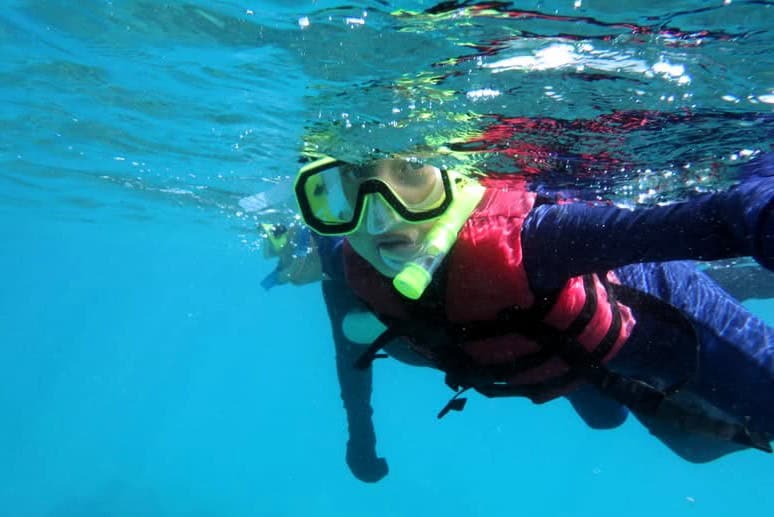
During my reef trip with Seastar, I was provided with a full-body stinger suit(including a hood and gloves), snorkelling equipment, flippers, a life jacket, and guidance from experienced staff. I joined a guided snorkelling tour and had a fantastic day exploring the Great Barrier Reef despite visiting during stinger season.
Personally, I chose not to swim at beaches such as Palm Cove and Port Douglas. Although stinger nets are installed at many popular beaches, I was travelling solo and preferred not to take unnecessary risks.
Instead, I spent my swimming time in hotel pools and freshwater swimming spots. Many other visitors were swimming at the beaches, both with and without lycra suits, but everyone has a different comfort level when it comes to risk.

4. Tour Cancellations and Reduced Availability
Weather conditions can occasionally cause tour cancellations during the Cairns wet season, particularly for reef trips and outdoor adventures.
I also found there were fewer tour departures available compared to peak season, and some popular tours booked out surprisingly early. As a result, it’s still worth booking key activities in advance even though visitor numbers are lower.
The upside is that flexibility goes a long way. One of my snorkelling tours was cancelled and rescheduled, but the alternative date actually worked out better than my original booking. If you can keep your itinerary flexible, occasional weather disruptions are usually manageable.
Can You Visit the Great Barrier Reef in the Wet Season?
Yes, you can absolutely visit the Great Barrier Reef during the wet season in Cairns.
In fact, reef tours operate year-round and thousands of visitors snorkel and dive on the Great Barrier Reef throughout the Cairns rainy season. While weather conditions can occasionally lead to cancellations, most days still see boats heading out to the reef.
I visited the Great Barrier Reef in January and had a fantastic experience snorkelling at Michaelmas Cay and Hastings Reef with Seastar Cruises. One of the biggest advantages was the lack of crowds. There were noticeably fewer tourists than during the peak dry season and, at some snorkelling sites, there were no other boats nearby.
Because January falls within stinger season, all swimmers were provided with full-body lycra stinger suits. My tour operator supplied everything needed, including a hooded stinger suit, snorkelling equipment, flippers and a life jacket. I also joined a guided snorkelling tour, which gave me extra confidence in the water.
One thing many visitors don’t realise is that marine stingers are generally more common in coastal waters than on the outer reef. While no swimming location is completely risk-free, experienced reef tour operators have extensive local knowledge and follow strict safety procedures to minimise risks.
Weather can sometimes affect visibility and sea conditions during the rainy season in Cairns, but this isn’t always the case. Some visitors experience excellent snorkelling and diving conditions during the wet season, while others may encounter rougher seas or reduced underwater visibility depending on recent weather patterns.
If visiting the Great Barrier Reef is a major priority, I wouldn’t let the wet season put you off. Just allow some flexibility in your itinerary in case a tour is rescheduled due to weather conditions.

Best Wet Season Activities in Cairns
If you’re visiting Cairns in January or during the wet season, don’t assume you’ll be confined to your hotel room. In fact, some of Tropical North Queensland’s best attractions are arguably at their most spectacular during the rainy season.
Explore the Daintree Rainforest and Mossman Gorge
The wet season brings the Daintree Rainforest to life. Creeks flow strongly, the rainforest is incredibly green and wildlife is often easier to spot.
Mossman Gorge is particularly beautiful after rain, with crystal-clear water flowing through enormous granite boulders beneath the rainforest canopy. The shade provided by the trees also offers welcome relief from the tropical heat.
The Daintree is also one of the best places to spot wildlife, including cassowaries, colourful tropical birds, flying foxes and estuarine crocodiles on a river cruise.
Visit the Atherton Tablelands
The Atherton Tablelands are one of the best places to visit during the Cairns wet season.
Waterfalls such as Millaa Millaa Falls, Josephine Falls and the Babinda Boulders are at their most impressive after rain, while natural swimming spots like Lake Eacham provide a refreshing escape from the humidity.
Visitors should take extra care around waterfalls and rivers during the wet season, as strong currents and slippery rocks can make swimming dangerous when water levels are high. I went to the Atherton Tablelands on a waterfalls tour and had a wonderful day.
If you’re seeking adventure, the nearby Tully River offers some of Australia’s best white-water rafting, with exciting Grade 3 and 4 rapids that are particularly thrilling during the wetter months.
See Barron Falls at Its Most Powerful
If you’re planning a day trip to Kuranda from Cairns, the wet season is one of the best times of year to visit.
Barron Falls is transformed by the summer rains, with huge volumes of water cascading over the escarpment. The dramatic waterfall is far more impressive than during the dry season when water flow can be significantly reduced.
Snorkel the Great Barrier Reef
Many travellers wonder whether the Great Barrier Reef is worth visiting during the rainy season in Cairns. Based on my experience, the answer is yes.
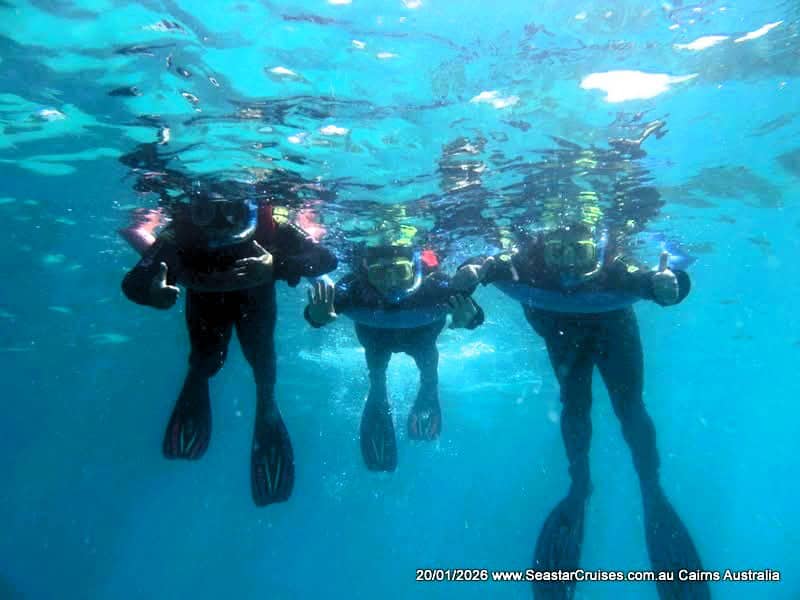
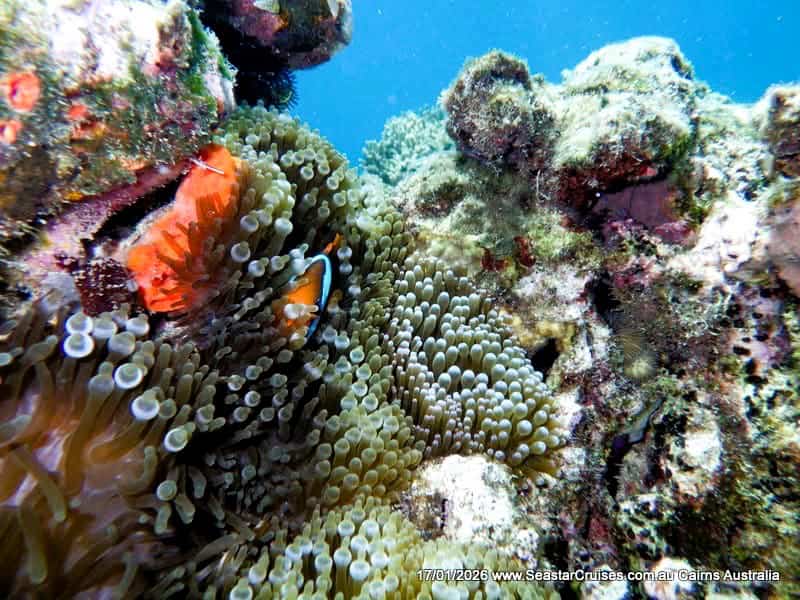
I visited Hastings Reef and Michaelmas Cay in January with Seastar Cruises and had an excellent day on the water. The weather was warm, the sea was surprisingly calm and underwater visibility was excellent. In fact, the conditions were calmer than I’ve experienced in some traditionally “better” travel months.
My tour operator, Seastar, supplied all the necessary equipment including a stinger suit, snorkel, flippers and life jacket. Staff explained how to wear the stinger suit correctly and provided advice about the best snorkelling areas.
I joined a guided snorkelling tour and particularly appreciated having a guide nearby with a floating buoy that swimmers could hold onto whenever they wanted a rest. During the day we saw colourful coral gardens, tropical fish and several turtles around Hastings Reef.

Spend a Day on Fitzroy Island
Fitzroy Island remains a beautiful destination during the wet season, with rainforest walking tracks, scenic beaches and excellent hiking opportunities.
The Summit Track offers stunning views but can be extremely hot and humid during summer. Starting early in the morning is usually the most comfortable option.
Swimming is possible from the island’s beaches, but stinger protection is essential during the wet season. Full-body stinger suits can be hired on the island if needed.
Personally, I chose not to swim at the beach during stinger season and preferred guided snorkelling experiences on the Great Barrier Reef. For this reason, I think Fitzroy Island is better during the dry season when beach swimming is more appealing and provides a welcome way to cool off.
Cool Down at Cairns Aquarium
When the tropical heat and humidity become too much, Cairns Aquarium is a fantastic place to spend a few hours.
The air-conditioned displays provide a welcome escape from the weather while showcasing the incredible marine life found throughout Tropical North Queensland.
One of my favourite exhibits is the large oceanarium where sharks and rays glide overhead, giving visitors a close-up look at species that inhabit the Great Barrier Reef.

Browse the Cairns Night Markets
The Cairns Night Markets are a lively and enjoyable place to spend an evening, particularly if you’re travelling solo.
The food court offers plenty of affordable dining options, while the market stalls sell everything from souvenirs and local products to clothing and gifts.
The massage stalls are especially popular, with queues often forming for affordable Chinese-style massages after a day spent exploring Cairns and the surrounding region.
Whether you’re snorkelling on the Great Barrier Reef, chasing waterfalls in the Atherton Tablelands or exploring the Daintree Rainforest, there are plenty of things to do in Cairns during the wet season.”
Frequently Asked Questions About the Wet Season in Cairns
Is Cairns worth visiting in January?
Yes. While January falls during the wet season in Cairns, waterfalls are at their most spectacular, the rainforest is lush and green, and there are usually fewer tourists. Activities such as visiting the Atherton Tablelands, seeing Barron Falls and rafting on the Tully River are often even better after rain.
Does it rain all day in Cairns?
Not usually. During my visit to Cairns in January, most rain arrived as short afternoon storms with plenty of sunshine in between. However, January is part of cyclone season, so occasional weather systems can bring several days of heavy rain and strong winds.
Can you swim in Cairns during stinger season?
Yes. Most popular beaches have stinger nets and wearing a full-body lycra stinger suit is recommended. Great Barrier Reef tours provide stinger suits and continue operating throughout the wet season.
What is the wettest month in Cairns?
February is typically the wettest month, closely followed by January. Both months average over 400mm of rainfall, making them the peak of the Cairns rainy season.
Is the Great Barrier Reef worth visiting in January?
Yes. Reef tours operate year-round and I had excellent conditions snorkelling in January, with calm seas, good visibility and far fewer visitors than during peak season.
Final Thoughts: Is the Wet Season in Cairns Worth It?
Yes, I think the wet season in Cairns is worth it for many travellers and I personally loved visiting Cairns in January.
While the humidity can be intense and there is always the possibility of heavy rain, I found the weather far less disruptive than I expected. In return, I experienced quieter attractions, lower hotel prices, spectacular waterfalls, lush rainforest scenery and an enjoyable Great Barrier Reef snorkelling trip.
If you’re looking for endless sunny days and perfect beach weather, the dry season may be a better choice. But if you don’t mind the occasional tropical downpour and want to experience Tropical North Queensland at its most vibrant, Cairns in January and the wider wet season can be a surprisingly rewarding time to visit.
For me, the highlights were visiting the Atherton Tablelands and seeing the waterfalls in full flow, exploring the rainforest after rain, and snorkelling on the Great Barrier Reef with fewer crowds, clear skies, and better underwater visibility than I expected.
I loved visiting Cairns in January and I think you will too!
You might also enjoy
10 Best Cairns Day Trips: Great Barrier Reef, Rainforests & Waterfalls
Where to Stay in Cairns for First Timers
Port Douglas or Cairns? Which is Best for your Trip?
The Best 5 Days in Cairns itinerary
13 Best Things to Do in Cairns for Solo Travellers
Green Island or Fitzroy Island – Which is Better?
15 Best Reasons to Visit Brisbane in Australia
17 Best Things to Do in Sydney Alone
If you enjoyed this article Pin it & save it for later